Sanitary ware and fittings are essential components of plumbing systems in buildings, specifically for water supply, sanitation, and hygiene purposes. They include a range of fixtures and fittings designed for use in bathrooms, kitchens, and other areas where water and waste management are necessary. Here are some commonly used sanitary ware and fittings:
Toilets: Toilets are fixtures used for the disposal of human waste. They come in different types, including flush toilets (gravity-fed or pressure-assisted), composting toilets, and bidets. Toilets are typically made of ceramic or porcelain materials.
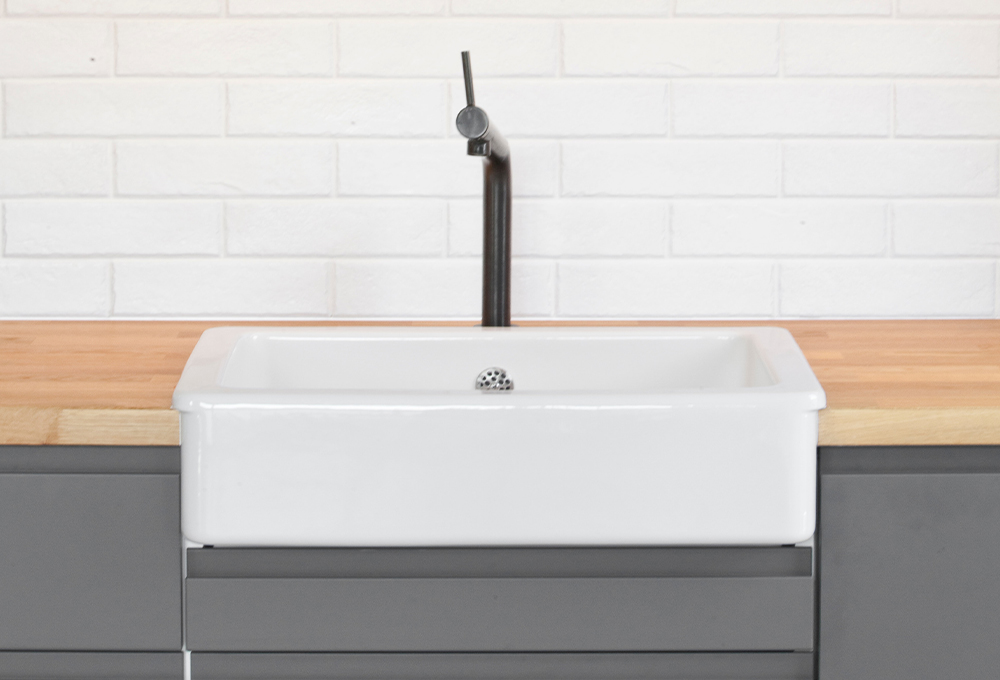
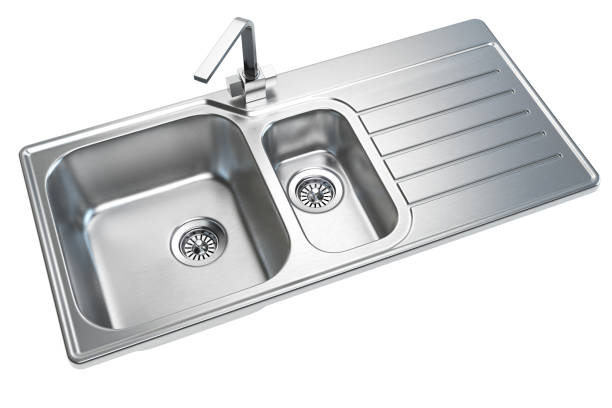
Sinks: Sinks, also known as washbasins or hand basins, are used for washing hands, face, and small items. They are commonly installed in bathrooms, kitchens, and utility rooms. Sinks can be made of materials like porcelain, stainless steel, or glass.
Faucets: Faucets, also called taps, are used to control the flow of water from the plumbing system. They are available in various styles, including single-handle, double-handle, and sensor-operated faucets. Faucets can be made of chrome-plated brass, stainless steel, or other durable materials.
Showerheads: Showerheads are fixtures that spray water for bathing purposes. They can be wall-mounted or hand-held. Showerheads come in different designs, such as rain showers, handheld showers, and massaging jets. They are usually made of plastic, stainless steel, or brass.
Bathtubs: Bathtubs are used for bathing and relaxation. They come in various shapes and sizes, including alcove tubs, freestanding tubs, and corner tubs. Bathtubs can be made of materials like acrylic, fiberglass, cast iron, or stone.
Urinals: Urinals are fixtures designed for male urination. They are commonly found in public restrooms and commercial buildings. Urinals can be wall-mounted or floor-mounted and are usually made of vitreous china or stainless steel.
Bidets: Bidets are fixtures used for personal hygiene after using the toilet. They spray water for cleaning purposes. Bidets can be standalone fixtures or combined with toilets. They are typically made of ceramic or porcelain.
Toilet seats: Toilet seats are attached to the toilet bowl and provide a comfortable sitting surface. They can be made of plastic, wood, or other materials. Some toilet seats come with additional features like soft-close mechanisms or built-in bidet functions.
Drainage systems: Sanitary fittings also include various components of the drainage system, such as floor drains, waste traps, and pipes. These fittings ensure the proper removal of wastewater and prevent the entry of foul odors and pests.
Accessories: Sanitary ware fittings also include accessories like soap dispensers, towel holders, toilet paper holders, and bathroom mirrors. These accessories enhance the functionality and aesthetics of the space.
Sanitary ware and fittings are designed to provide hygiene, convenience, and comfort in residential, commercial, and institutional buildings. They are available in a wide range of styles, sizes, and materials to suit different preferences and design requirements.
Bricks: Bricks are rectangular blocks made from clay, shale, or concrete materials. They are used for building walls, facades, and various architectural features. Bricks offer strength, fire resistance, and good thermal insulation.
Steel: Steel is a strong and durable material commonly used in structural frameworks, beams, columns, and reinforcements. It provides high tensile strength and can withstand heavy loads.
Wood: Wood has been a traditional building material and is still widely used today. It is renewable, versatile, and offers natural aesthetics. Wood is used for structural framing, flooring, doors, windows, and finishes. Different types of wood, such as hardwood and softwood, are used based on their specific properties.
Glass: Glass is used in buildings for windows, doors, skylights, and facades. It allows natural light to enter while providing visibility. Glass can be tempered, laminated, or insulated for enhanced strength, safety, and energy efficiency.
Tiles: Tiles are used for flooring, walls, and roofs. They come in various materials such as ceramic, porcelain, stone, and glass. Tiles offer durability, water resistance, and aesthetic appeal.
Asphalt: Asphalt is commonly used for road construction, parking lots, and roofing. It is a mixture of aggregates, binder, and filler materials. Asphalt offers strength, flexibility, and resistance to weather conditions.
Insulation materials: Insulation materials, such as fiberglass, mineral wool, and foam boards, are used to improve thermal and acoustic insulation in buildings. They reduce heat transfer and noise transmission, leading to energy efficiency and improved comfort.
Plaster and drywall: Plaster and drywall are used for interior wall and ceiling finishes. Plaster is a mixture of gypsum, sand, and water, while drywall is made of gypsum plaster sandwiched between two paper sheets. They provide smooth surfaces and can be painted or decorated.
Roofing materials: Various materials like asphalt shingles, metal, clay or concrete tiles, and slate are used for roofing. These materials offer protection against weather elements and contribute to the aesthetics of the building.
These are just a few examples of construction and building materials. The choice of materials depends on factors such as the type of structure, budget, local regulations, climate conditions, and desired aesthetics.